Managing Type 1 Diabetes Over 300 Kilometers: Inside Team Novo Nordisk’s Milan–San Remo Strategy
18 March 2026
At nearly 300 kilometers, Milan–San Remo is the longest one-day race in professional cycling. Riders spend close to seven hours in the saddle before the decisive attacks even begin on the iconic climbs of the Italian Riviera.
For the athletes of Team Novo Nordisk, racing such an event adds another layer of complexity: managing type 1 diabetes while performing at the highest level of sport.
So how do you maintain stable glucose levels during one of cycling’s most demanding races?
Team doctor Dr. Rafael Castol has spent over a decade working with the team’s riders. His approach combines nutrition, pacing, hydration, technology, and constant learning.
Here’s how the strategy works.
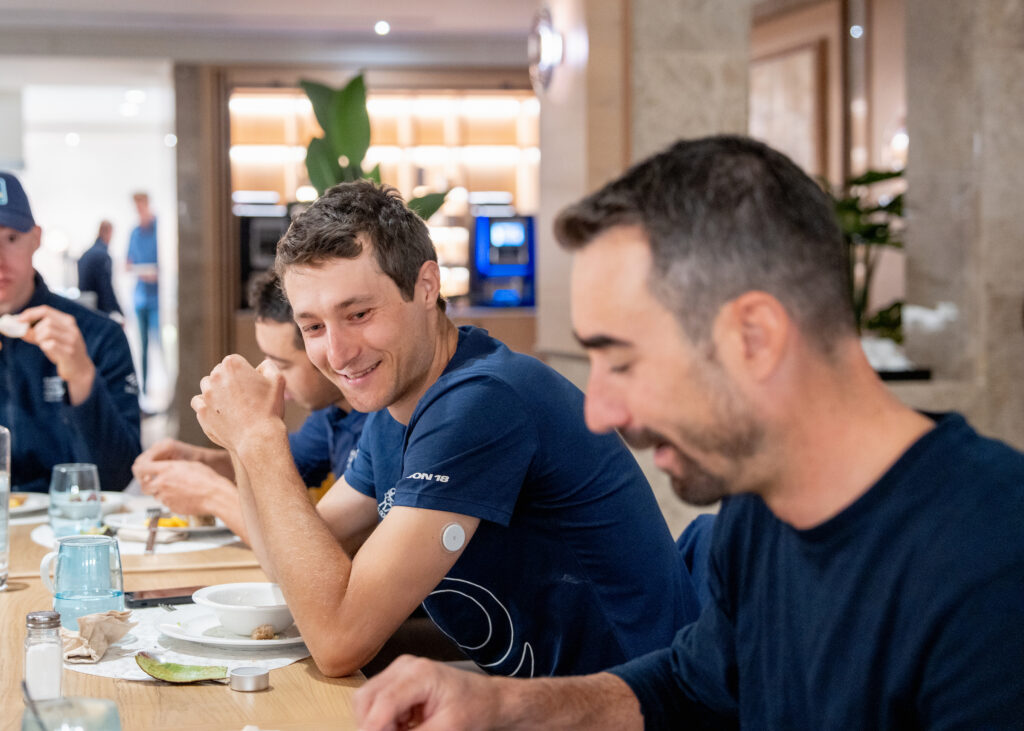
Fueling the Body Before the Longest Race of the Year
Preparation for Milan–San Remo begins days before the start line.
Unlike stage races where athletes may load carbohydrates for an entire week, the strategy for a one-day Monument is more targeted. The riders begin increasing carbohydrate intake roughly 72 hours before the race, but with careful timing.
The key is front-loading carbohydrates earlier in the day.
Breakfast and lunch become the primary opportunities for carbohydrate intake because the body absorbs and stores fuel more effectively at these times. Dinners are intentionally lighter, focusing more on lean protein and recovery nutrition.
This approach has two benefits:
- Riders recover better and sleep well before the race
- They avoid excessive carbohydrate intake that could lead to unnecessary insulin corrections
On race morning, breakfast focuses on complex carbohydrates that release energy slowly, helping create a more stable glucose curve during the early hours of the race.
Why Stable Glucose Matters for Performance
For athletes with type 1 diabetes, managing glucose isn’t just about health, it’s also about performance.
If riders consume large amounts of high-glycemic carbohydrates, glucose spikes can occur. These spikes often require insulin corrections.
But insulin has a performance consequence.
Insulin suppresses fat metabolism. In endurance sports like cycling, the most efficient athletes are those who can burn fat at higher intensities, conserving glycogen for the decisive moments.
If riders constantly correct glucose spikes with insulin, they can enter a cycle of:
- Glucose spike
- Insulin correction
- Blood sugar drop
- Emergency carbohydrate intake
This “roller coaster” is exactly what the team aims to avoid.
Instead, the goal is stable glucose levels and steady metabolic efficiency.
Eating Through 300 Kilometers
Once the race begins, nutrition becomes a constant process.
Team Novo Nordisk riders typically aim to consume 30–40 grams of carbohydrates every 30–35 minutes. This intake comes from a mix of food and drink.
But what they eat depends heavily on where they are in the race.
The First 200 Kilometers: Real Food
The early hours of Milan–San Remo are usually raced at a steadier pace. During this phase riders focus on solid foods such as:
- Energy bars
- Rice cakes
- Small sandwiches or pastries
These foods provide sustained energy and are easier to digest while the race intensity remains moderate.
They are typically paired with water or electrolyte drinks, allowing the body to absorb nutrients without causing glucose spikes.
The Final 100 Kilometers: Fast Energy
As the peloton approaches the Ligurian coast and the race intensifies, the strategy changes.
The pace rises dramatically as riders approach the famous climbs of the Cipressa and Poggio.
At this stage:
- The digestive system becomes more sensitive
- Riders have less time to eat
- Energy demands increase sharply
So nutrition shifts to fast-absorbing carbohydrates, including:
- Energy gels
- Fruit purées
- Gummies
- Carbohydrate drink mixes
These provide quick energy that can be absorbed rapidly into the bloodstream.
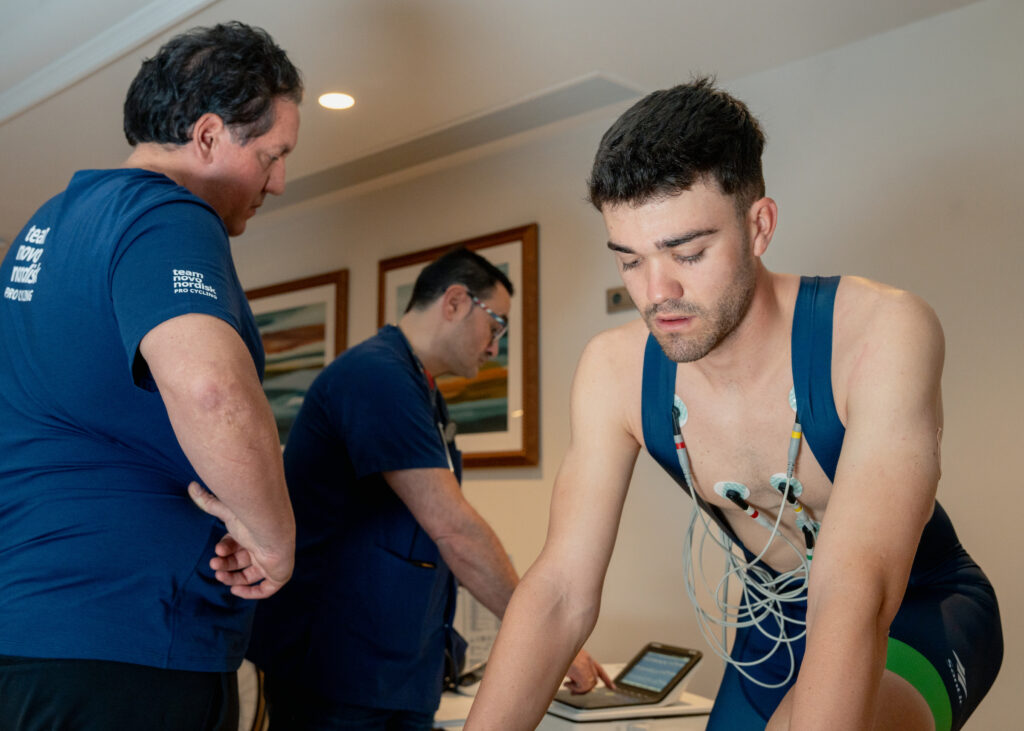
Hydration: The Hidden Glucose Factor
Hydration plays a crucial role in glucose management.
When athletes become dehydrated, blood becomes more concentrated. This can artificially elevate glucose readings and push levels outside the target range.
Maintaining hydration helps stabilize glucose levels.
Early in the race, riders often drink water or electrolyte solutions while consuming solid food.
Later, they may switch to carbohydrate drinks such as Maurten to maintain both hydration and energy intake when eating becomes more difficult.
Real-Time Adjustments During the Race
Even with a detailed plan, glucose management requires constant micro-adjustments.
Every rider responds differently to nutrition, intensity, and stress.
If a rider’s glucose is trending high, the team may delay carbohydrate intake temporarily. If levels begin to drop, they may increase intake sooner than planned.
Communication with the team car plays an important role.
During calmer phases of the race, riders can speak with the team via radio or briefly drop back to the car to discuss strategy with the doctor.
But often the responsibility lies with the riders themselves.
Technology That Changed Everything
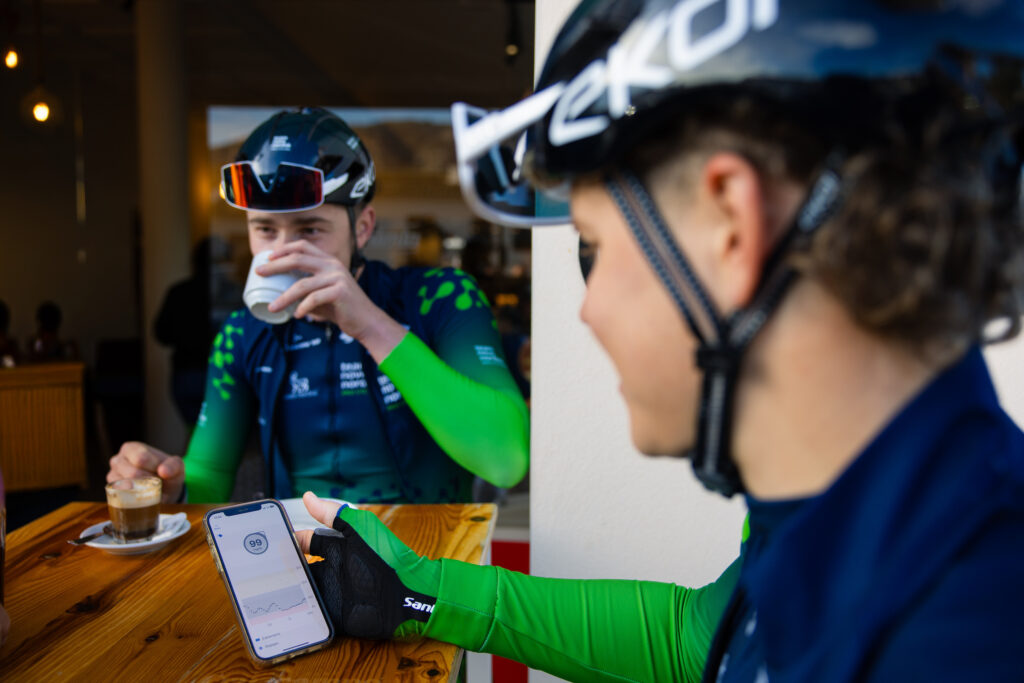
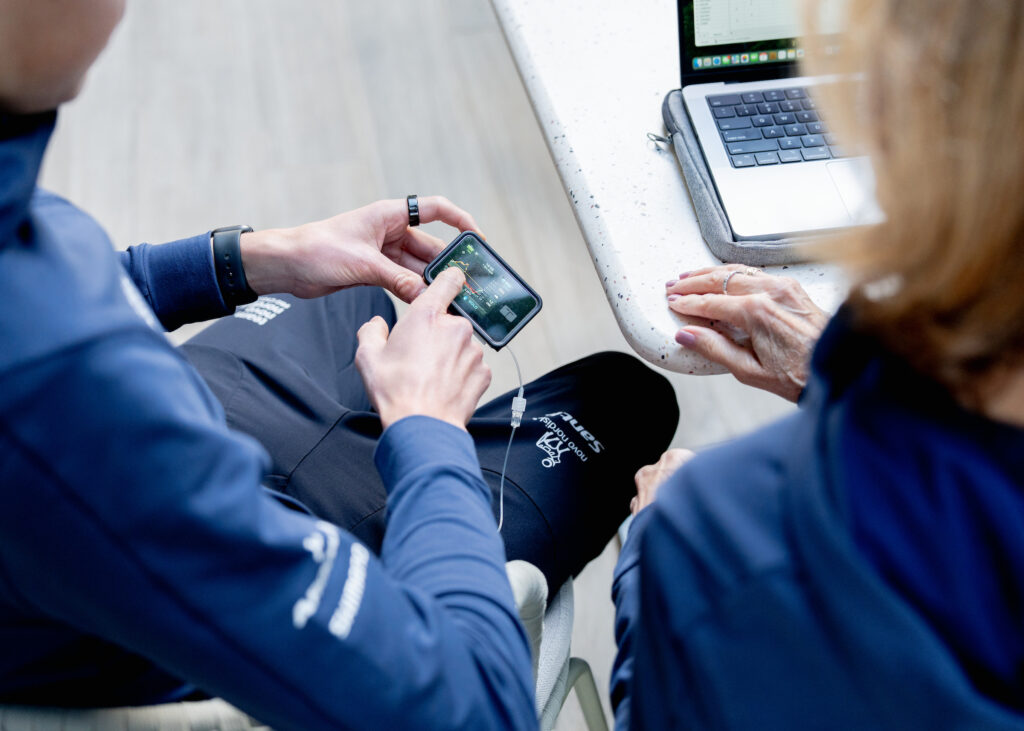
One of the biggest advancements in diabetes management has been the rise of continuous glucose monitors (CGMs).
These sensors allow riders to see real-time glucose levels and trends during racing.
Instead of reacting after a problem occurs, riders can anticipate changes.
Over years of experience, they learn how their bodies respond to:
- Different types of food
- Various exercise intensities
- Stress and adrenaline
- Race conditions
This knowledge helps them make better decisions before problems arise.
As Dr. Castol explains, the goal is not reaction, it’s anticipation.
Managing Race-Day Nerves
One of the less obvious challenges occurs before the race even starts.
Pre-race nerves trigger adrenaline and other stress hormones, which can cause glucose levels to rise.
Inexperienced riders sometimes try to correct these spikes with insulin.
But the team often recommends a simpler solution.
Instead of correcting with insulin, riders can do a short, easy warm-up ride. Muscle contraction increases glucose uptake naturally and often stabilizes levels without medication.
Recovery After the Finish
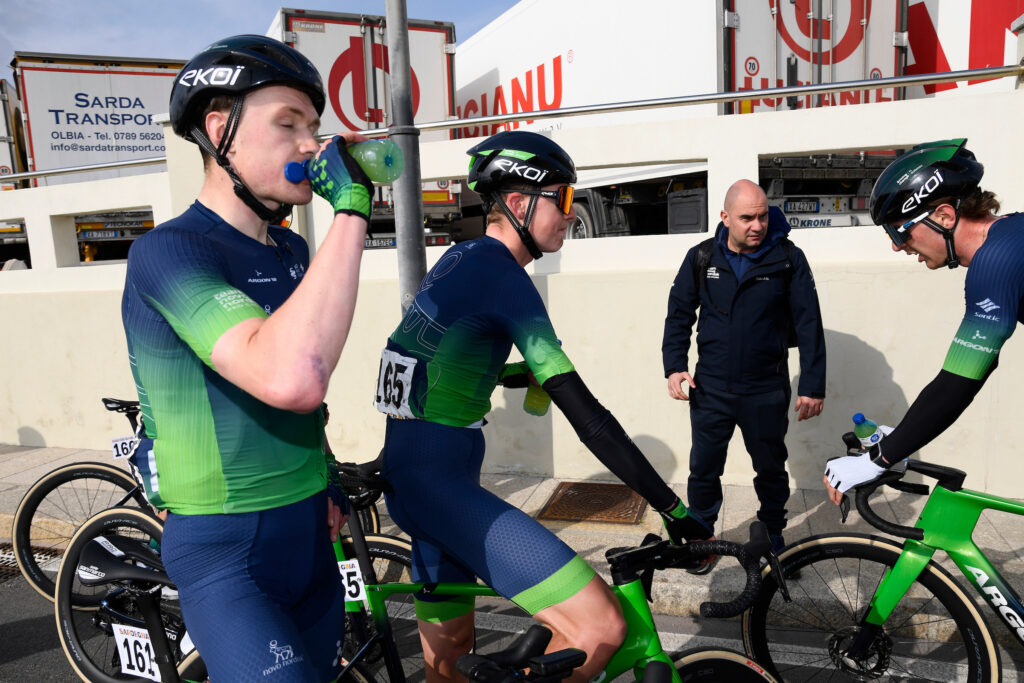
Once the race ends, recovery becomes the priority.
Even though Milan–San Remo is a one-day event, riders must quickly restore energy stores and repair muscle tissue.
Recovery strategies typically include:
- Lean protein to support muscle repair
- Controlled carbohydrate intake to replenish glycogen
- Continued hydration
The goal is to stabilize glucose while supporting the body’s recovery from one of the longest races in the sport.
More Than Just Racing
For Team Novo Nordisk, competing in Milan–San Remo is about more than results.
It’s about showing people living with diabetes what’s possible.
Racing nearly 300 kilometers at the highest level of professional cycling requires meticulous preparation, advanced technology, and years of experience living with the condition.
But it also proves a powerful point:
With the right knowledge and support, diabetes does not have to limit ambition.